Curation Labs · The post-AI data stack
Analysis is cheap.Agreement isn’t.
Fifteen years of data infrastructure on one canvas, after Ian Macomber’s
post, and where the platform we’re building sits on it.
Speaker Remy
Audience Curation Labs
Runtime ~25 min, then questions
After Ian Macomber, 2026
This is a talk about a blog post and about the platform we're building, and the reason I'm
doing both at once is that the post explains why the platform looks the way it does.
[Delivery] Don't explain the title. It gets earned in Act 2. Hold two seconds and advance.
Source — I. Macomber,The Shape and Feel of the Post-AI Data Stack (30 Aug 2026)
The source
Ian Macomber’s post tells fifteen years of data infrastructurein four diagrams.
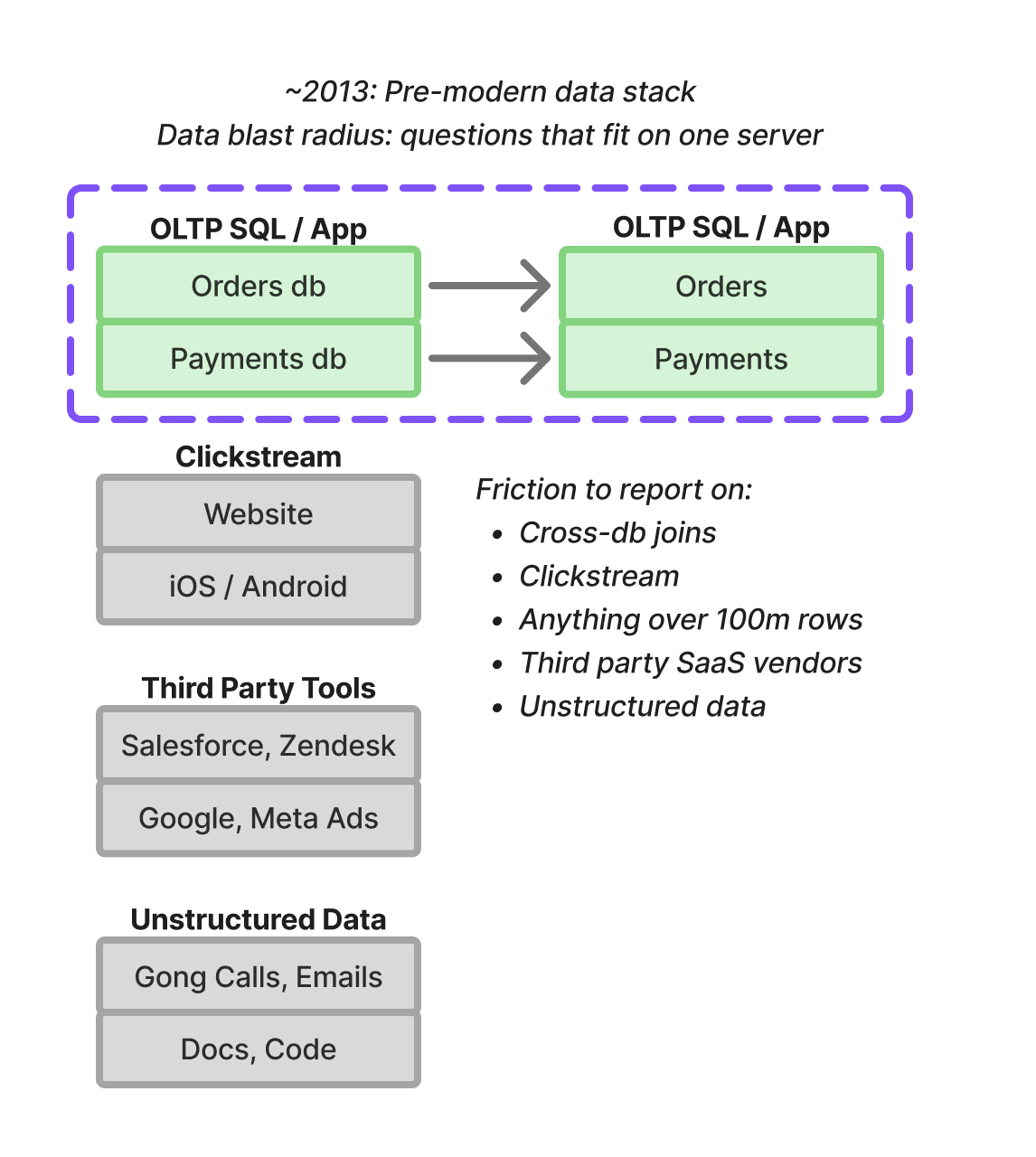
Fig. 1 · 2013 Questions that fit on one server.
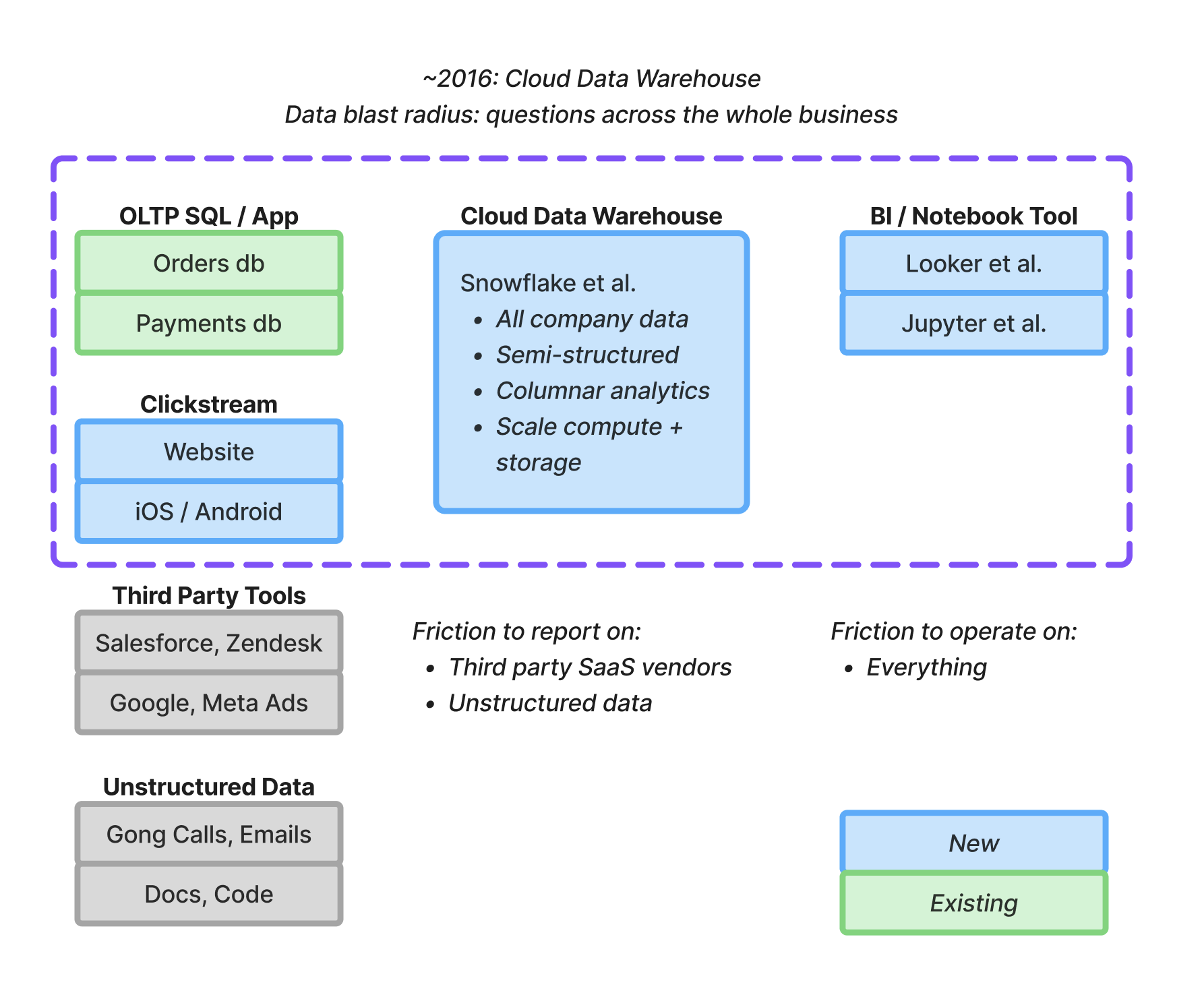
Fig. 2 · 2016 Questions across the whole business.
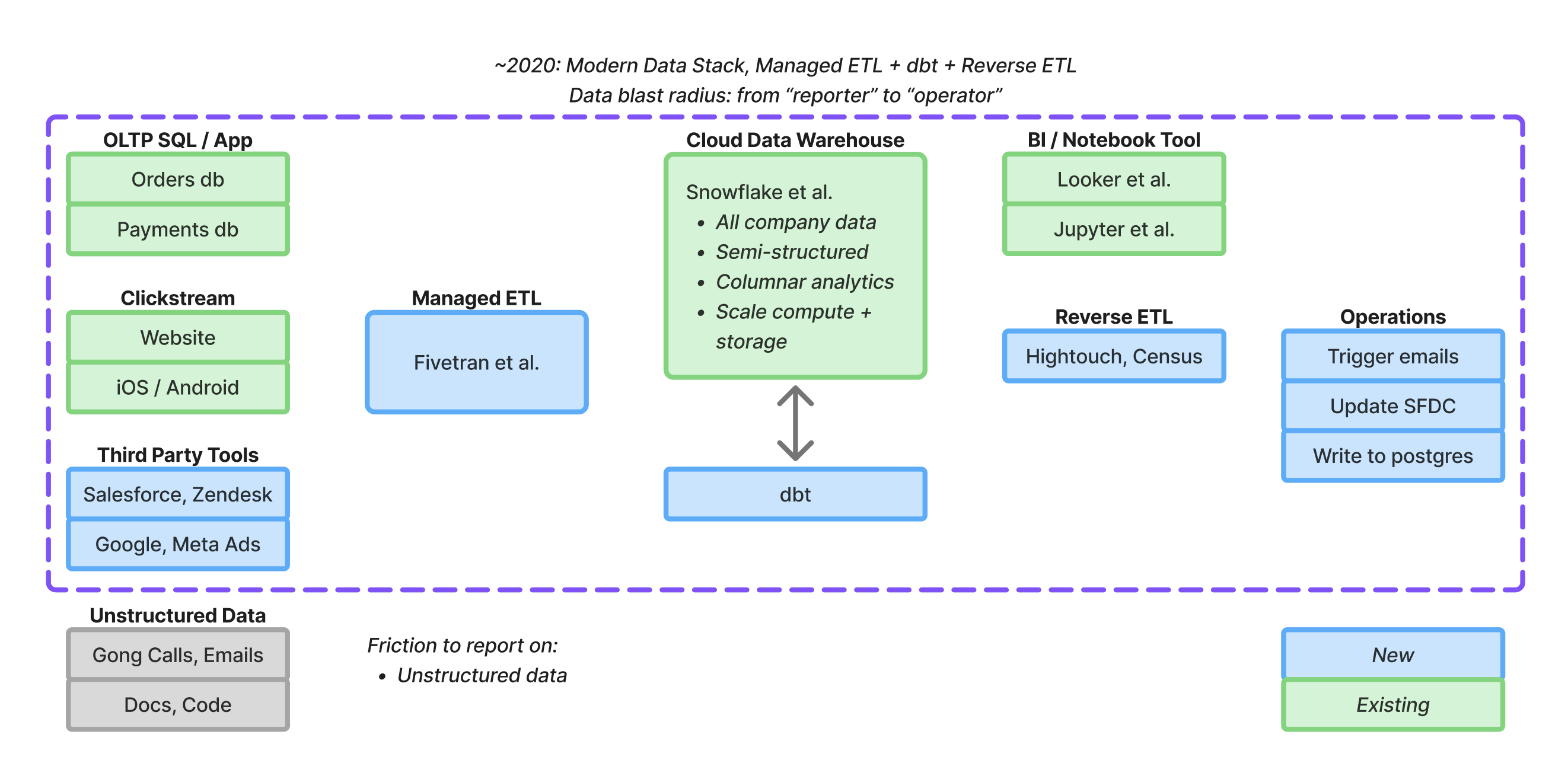
Fig. 3 · 2020 From reporter to operator.
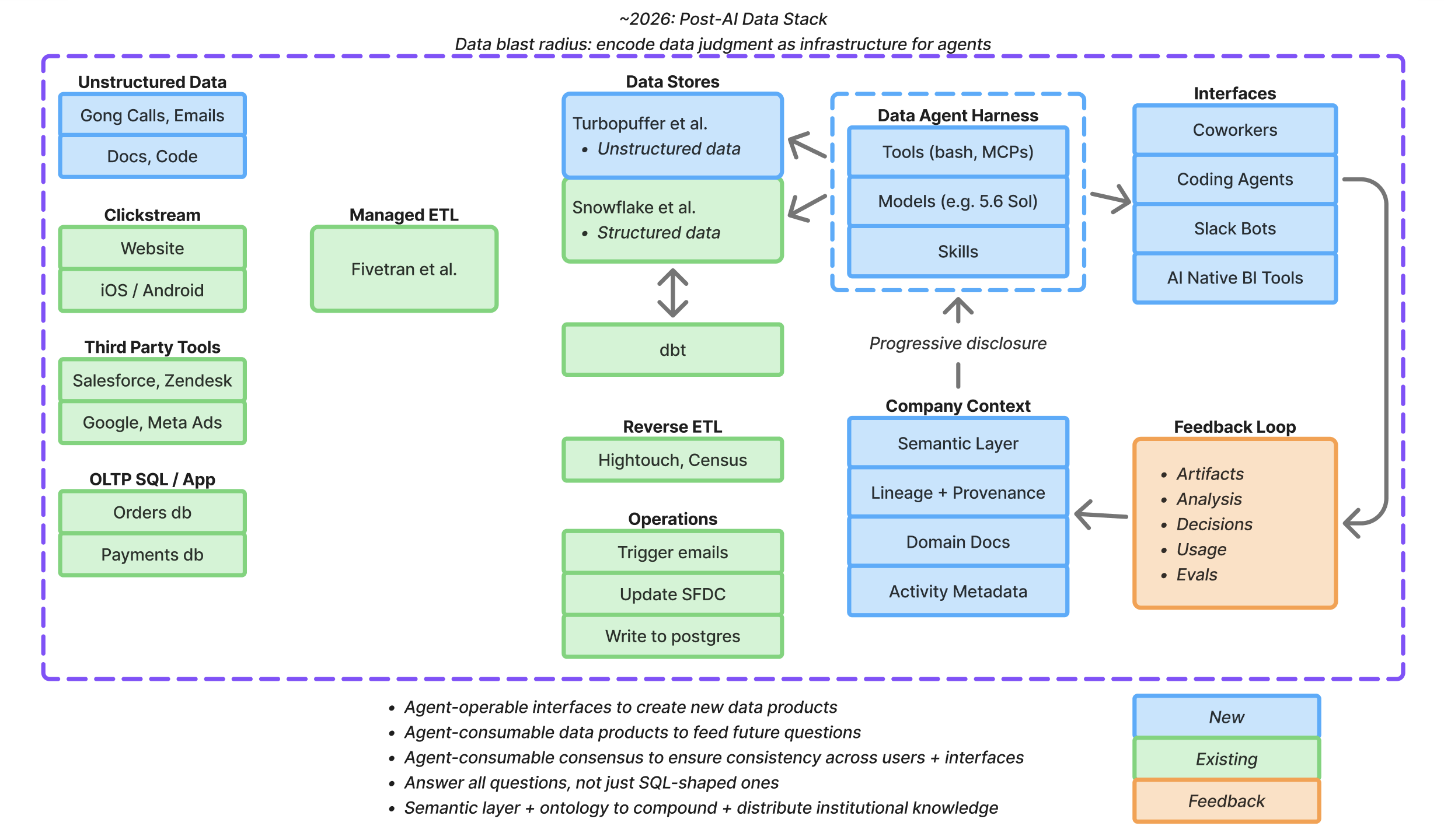
Fig. 4 · 2026 Encode data judgment as infrastructure for agents.
The dashed purple line in each one
is everything you can actually query.
The post is by Ian Macomber. He started his career in data at Wayfair in 2013 and now works
on data at Ramp. It walks through fifteen years of data infrastructure, one diagram per era,
and ends with an argument about what changes once agents are the ones asking the questions.
I'm going to use his four diagrams to teach the infrastructure, and I'm going to do it the
same way each time: what the previous setup couldn't do, the component that fixed it, and
what still couldn't be done afterwards. Every box on the diagram exists because something
before it failed.
Most of you haven't worked on a data platform. You don't need to know what a warehouse is.
By the end you'll know why one exists, and then why we didn't build one.
[Delivery] Point at the dashed line in fig. 1, then in fig. 4. Don't walk the boxes: the
canvas does that for the next twenty minutes. His diagrams come back full-screen, one per era.
Source — I. Macomber, agent-readable artifacts (2026)
The picture of 2027 the post paints
In 2027 your CPO reads the dashboardwithout ever opening it.
“By 2027, your CPO will learn about your team’s product
launch through a subagent, deployed by an agent, that scans every product launch dashboard
once a week.”Ian Macomber · 2026
Does our work show up in that
paragraph, and is the paragraph right?
There's an image in the post worth holding onto. It's 2027. A product leader wants to know
how a launch went, so their agent spins up a sub-agent, which reads whatever dashboards,
notebooks and documents it can find, and comes back with a paragraph.
The question for us is whether the work we do shows up in that paragraph, and whether the
paragraph is right.
[Delivery] Hold after the landing line. The last content slide answers it in his words.
How to read the next twenty minutes
One question, five sources, and one dashed line.
Running question
Did Tuesday’s deploy slow checkout, and which customers noticed?
Every era, four beats
walls left standing one component per wall run the question name the new walls
I'll carry one question through the whole talk: did Tuesday's deploy slow down checkout, and
which customers noticed? Engineering, product, support and finance all care about it, and it
needs all five sources on the left: App DB, Billing, Telemetry, Tickets, Docs.
This is the canvas for every era. Each column answers one plain question: how does data get
in, where does it live, what does a number mean, who does the asking, what comes out, who
wants to know. Each era answers them differently.
Watch which of the five sources end up inside the dashed line. Pushing it outward is the whole story.
Every era gets the same four beats: the walls left standing from the last one, one component
per wall, run the question, and name the new walls.
[Delivery] The walls-left-standing beat is what makes this a chain instead of a list. The band
on screen is the promise; keep it every era. The small panel on the right is his four
diagrams; the one we're redrawing lights up.
After — I. Macomber, fig. 1 (2026)
Act one · ~2013 · Pre-modern
In 2013 you could only ask what fit on one server.
Blocked Did Tuesday’s deploy slow checkout, and which customers noticed?
Can Count orders per hour from the App DB, if the DBA runs it for you.
Can’t Join them to Billing, see latency at all, or get the answer before Monday.
Three walls: islands, one machine, and events not stored.
This is his first diagram. There's nothing to compare it to yet, so let me describe the walls.
In 2013 the data lives in the databases that run the application. The App DB holds the orders.
Billing holds the invoices. Those are two different servers, and there is no such thing as a
query across two servers. That's the first wall: the data is in islands.
These databases are built for writes. A row is one order, kept together so the app can fetch it
in a millisecond. That's the right shape for serving a page and the wrong shape for average
checkout time by hour, which wants one column across millions of rows. The terms are OLTP,
transaction processing, and OLAP, analytical processing. Same data, opposite access patterns.
And the machine doing the analytical read is the same machine serving customers.
An analyst writes a reasonable-looking join,
runs it against the production replica, the replica falls behind, and the on-call gets paged.
One bad question hurts every customer. The DBA's job becomes saying no, and everything goes
through the DBA. That's the second wall: analysis and serving share one machine, so analysis
is rationed.
Telemetry, the stream of latency events, isn't stored at all. It's JSON, it arrives at
thousands of events a second, and a relational database has nowhere sensible to put it. Third
wall: nowhere to keep events.
Run the question. You can count orders per hour from the App DB, if the DBA runs it for you.
You can't join those to Billing. You can't see latency, because Telemetry isn't captured. And
the answer, if you get one, is a spreadsheet emailed on Monday.
Three walls: islands, one machine, events not stored. Keep count. The next slide knocks down
all three.
[Delivery] Click 1 brings up his fig. 1 full-screen; click 2 returns to the canvas. The coral
tags are the walls, one per click: ISLANDS, then ONE MACHINE as storage and compute fuse, then
NOT STORED. Tell the production-replica story over ONE MACHINE.
After — I. Macomber, fig. 2 (2026)
Act one · ~2016 · Cloud warehouse
Storage splits from compute, and all the data lands in one place.
Answerable Did Tuesday’s deploy slow checkout, and which customers noticed?
Can Join orders, invoices and latency events in one place. A data scientist finds the slowdown.
Can’t Tie it to support tickets, which live in the helpdesk. Nobody else can rerun the notebook.
Three new walls: bespoke pipelines, personal definitions, and every answer ends in a slide.
Three walls left standing from 2013: islands, one machine, events not stored. The cloud data
warehouse is a direct answer to those three walls, one feature each.
Islands. The warehouse is one place that everything lands in. App DB and Billing are copied
into the same store, and now they can be joined.
One machine. Watch the fused box split in two. Storage becomes cheap object storage,
effectively unlimited. Compute becomes clusters you spin up when you need them and shut down
when you don't. Analysis runs on its own compute, so it can't page the on-call, and it can be as
big as the question needs. This split is the
idea the rest of the talk depends on. Keep the two boxes in your head; they come back in Act 3
with our names on them.
Events not stored. The warehouse reads semi-structured data: JSON goes in a column and you query
inside it. Ugly, but Telemetry is now inside the dashed line.
Run the question. App DB, Billing and Telemetry are in one place, so orders, invoices and latency
events can be joined. A data scientist can find the slowdown.
Now the new walls. It took that data scientist about a week, because getting Tickets into the
warehouse means asking engineering to write and maintain a custom pipeline, and the queue for
that is long. The definition of checkout latency and the whole analysis live in a notebook on
one laptop. Nobody else can rerun it, and next month someone will define it differently. And the
output is a chart. Nothing in the product changes because of it.
Three new walls: pipelines are bespoke, definitions are personal, and every answer ends in a slide.
[Delivery] Click 1 is his fig. 2. The split on click 3 is the one piece of motion in Act 1: let
it finish before you speak. If running long, drop the JSON sentence.
After — I. Macomber, fig. 3 (2026)
Act one · ~2020 · Modern data stack
Data comes in with a click, and the answer goes back into the product.
Actionable Did Tuesday’s deploy slow checkout, and which customers noticed?
Can Tickets land by managed ETL, latency is defined once in dbt, affected accounts get tagged in the CRM.
Can’t Read the incident doc or the PR, or try a new angle without someone writing SQL.
Three walls left: text goes unread, every question needs SQL, and definitions run on the honor system.
Three walls left standing from 2016: bespoke pipelines, personal definitions, and answers that
end in a slide. The modern data stack is three tools, one per wall.
Bespoke pipelines. Managed ETL: services that connect to your ticket system, your CRM, your ad
platforms, and land the data in the warehouse. The post's contrast is vivid: Hadoop at Wayfair
took an outside implementation team, three data engineers and four months, and by 2020 a new head
of data with a credit card could have reporting up by lunch. You click a button and pay monthly
instead of asking engineering for a pipeline. That's why Tickets comes inside the dashed line.
Personal definitions. dbt: metrics defined in version-controlled SQL, run on a schedule, with a
lineage graph showing what each one depends on. Checkout latency is defined once, in one file,
reviewed like code.
Answers that end in a slide. Reverse ETL: the loop along the bottom. Results flow back out into
the operational systems. The post calls this the shift from reporter to operator. The data team stops
producing decks and starts changing what happens in the product.
Run the question. Tickets are in. Checkout latency means one thing. Affected accounts get tagged
in the CRM, and support sees the tag on the next ticket. Actionable.
New walls. Docs is still grey: the incident doc and the pull request description are unstructured
text, and nothing in this stack reads text. Second, every new angle on the question still needs a
person who writes SQL, so throughput is capped by the size of the data team, and the queue comes
back in a new form. Third, the definitions exist in dbt, but they're enforced by humans reading
documentation. A new person, or a new tool, can ignore them without anything noticing. It's an
honor system.
[Delivery] Click 1 is his fig. 3. The act loop on click 4 is the first loop on the canvas; trace
it with your hand from the right edge back to the sources.
After — I. Macomber, figs. 1–3 (2026)
End of act one
Each era removed a constraint onwho could ask what of which data.
Era Knocked down Left standing
~2013 —
islands · one machine · not stored
~2016 islands · one machine · not stored
bespoke · personal · ends in a slide
~2020 bespoke · personal · ends in a slide
unread · needs SQL · honor system
The next era removes two of these three, and runs straight into the third.
End of Act 1. The dashed line covers nearly every source, and answers change the product.
What all three eras have in common: each removed a constraint on who could ask what of which
data. The next era removes two of the three walls we just named, and then runs straight into the
third.
[Delivery] Don't read the table; the staircase reads itself, each row's walls knocked down on the
row below. Point at honor system when it lights. That wall is the whole of Act 2.
After — I. Macomber, fig. 4 (2026)
Act two · 2026 · Post-AI
An agent harness sits between all the data and every interface.
Agent-answerable? Did Tuesday’s deploy slow checkout, and which customers noticed?
Can An agent reads the incident doc, the PR and the metric definition, and answers in Slack in minutes.
Can’t Promise the coding agent and the Slack bot use the same definition of latency. Nothing measures it.
AI made producing analysis nearly free. It did not make agreeing on reality free.
Three walls left standing from 2020: text goes unread, every question needs SQL, and definitions
run on the honor system. Two of them fall quickly.
Text goes unread. Now models read text. The incident doc becomes rows you can join. Every source is inside the dashed line.
Every question needs SQL. Now an agent writes the SQL. That's the new box in the middle: the
harness, which is what an agent runs inside: its tools, its model, its skills, its evals. It sits
between all the data and every interface. The person asking no longer needs to know SQL, or the
schema, or which table to use. The queue is gone.
The post adds two things around it. Context feeds the harness: the semantic layer, which is where
definitions live, and the domain docs. And a feedback loop, along the top, routes every answer,
correction and eval back into that context.
That leaves the third wall, and this is where the post's argument starts. Definitions run on the
honor system. When one data scientist wrote every query, that was fine: one person, one reading of
the definition, one answer. Now any agent through any interface writes the query, and each of them
reads the definition, or doesn't, on its own.
Run the question. Any interface produces a number in minutes. The question is whether they all
produce the same one.
Here's the claim. AI made producing analysis nearly free. It did not make agreeing on reality free.
The scarce resource becomes consensus.
[Delivery] Click 1 is his fig. 4, the one zoom that earns a sentence: point at his harness, his
company context and his orange feedback loop, then come back to ours. On click 5 the honor-system
tag becomes SAME ANSWER?, and that tag stays on the canvas until the close.
Source — I. Macomber, agent-testable consensus (2026)
The fan-out
Ask the same question through five interfacesand five numbers come back.
1–5 each interface chose its own definition of checkout latency and of noticed · the numbers are illustrative
“Assume the models are never wrong, your context is just underspecified.”
Take our question and ask it five ways: a Slack bot, a coding agent in the terminal, a notebook
assistant, a BI tool's chat, a coworker's general-purpose agent. Each one decides what checkout
latency means. p50 or p95? Server time or client time? Does a timeout count? Then each decides
what noticed means. Opened a ticket? Abandoned a cart? Each choice is reasonable, and you get five
numbers. The exec who receives all five doesn't know which is right, and stops trusting all of them.
The post's advice, roughly: assume the model is never wrong, and your context was underspecified.
That turns "the AI is flaky" into "our definitions have gaps", which we know how to fix.
[Delivery] Never cut this slide. Let the five numbers land in silence for a beat before you speak.
The numbers are illustrative; say so if asked.
Source — I. Macomber, agent-testable consensus (2026)
The post’s move
Consensus sounds vague.It can be engineered, asserted and measured.
results = ask_everywhere(
    interfaces=["coworker", "coding_agent", "bi", "slack"],
    question="What was net revenue retention last quarter?",
)

assert same_metric_definition(results)
assert values_within_tolerance(results, relative=0.00001)
assert same_authorization_outcome(results)
assert required_evidence_used(results)
Ian Macomber · 2026 · pseudocode from the post Same definition, same value, same permissions, same evidence.
01 Take every metric in last quarter’s board deck.02 Ask about each one through every interface and model.03 Count the distinct answers.04 One: celebrate. More than one: read the traces, fix, repeat.
A test tells you the agents disagreed. It can’t stop them disagreeing.
The post's move is to treat this as an engineering problem. Ask the same question across every
interface and every model, count the distinct answers, and where there's more than one, read the
traces: the step-by-step record of what each agent looked at.
He even writes the test down. Four assertions: same definition, same value, same permissions, same
evidence. At Ramp they track the share of questions whose answer changes depending on where it was
asked. For board metrics, that number should be zero.
That's a test, and we'll want it. But a test only tells you afterwards that agents disagreed.
[Delivery] Don't read the code. Point at the four asserts and say the four words.
Source — I. Macomber, post-AI data stack (2026)
Four requirements
Four things the stack must be.We’ll check each one against ours.
Requirement What it means How we’ll check
Agent-readable artifacts Outputs are plain files an agent can open, not screenshots in a BI tool.
Can an agent read the output as a file? Agent-operable tools Everything is reachable by API or command. Nothing is UI-only.
Is there anything only a human can click? Agent-agnostic context Definitions live where any agent can read them, not inside one vendor.
Who owns the definitions? Agent-testable consensus The fan-out runs as a test and returns a number.
Does it?
The post asks for consensus you can test. We want consensus the data layer guarantees, and the test to prove it.
From that, the post derives four requirements. They're on screen, and we'll use them as a checklist in
Act 3: readable artifacts, operable tools, agnostic context, testable consensus.
The last one is where we go a step further. The post asks for consensus you can test. We want a data
layer that guarantees it, with the test as the proof.
[Delivery] The four empty marks under the kicker are the checklist. They fill in Act 3.
Act three · Today · Our platform
Same canvas, our names on the boxes, and a status on each.
Answerable by one agent Did Tuesday’s deploy slow checkout, and which customers noticed?
Can An agent spins up a sandbox, queries the Iceberg tables with DuckDB, and hands back a Marimo notebook.
Can’t Guarantee a second agent reads the same version, and the same definition of affected customer.
Storage and compute are the solved part. The dashed boxes are the scarce resource, and they’re ours to build.
The 2026 diagram tells you what the boxes are. It doesn't tell you how to build them without buying
the walls back. A warehouse vendor gives you the 2016 boxes with its own opinion attached to both,
and its chat interface becomes one more voice in the fan-out. So the constraint we designed against
was this: nothing in the stack may have an opinion about which agent uses it.
Same canvas, our names on the boxes, a status on each. Solid teal is built, dashed teal is partial,
dashed coral is still to build. Left to right.
Pipelines land data as Iceberg tables. Partially: some sources are there, some aren't.
Storage is Iceberg on R2. This is the 2016 storage box. The R2 Data Catalog is the index of which
tables exist. Compute is DuckDB, an in-process engine: it runs inside whatever process asks for it,
no server. Each agent gets its own. Ten agents, ten engines, all reading the same tables, none able
to slow the others down. The 2013 shared-machine wall, solved structurally rather than by policy.
Container sandboxes are the harness. An agent's work happens in an isolated container with scoped
credentials. When the task is done, the container is gone.
Marimo notebooks are the artifacts. A Marimo notebook is a plain Python file, so an agent can read
it, git can diff it, and it runs as a script. Requirement one, agent-readable: yes.
Nothing here has a UI, so any agent can drive it. Requirement two, agent-operable: yes. The format,
catalog and engine are all open, so no vendor owns the definitions. Requirement three,
agent-agnostic: yes.
Then the dashed boxes. No semantic layer, no domain docs, no evals. Docs aren't in yet, so the dashed
line pulls back. And the feedback loop is still to build: no path for one agent's correction to
improve the next agent's answer.
Run the question. One agent can answer it end to end. Nothing guarantees that a second agent reads
the same version, or the same definition.
[Delivery] Confirm every status on this slide before presenting; the README lists them as
unconfirmed. The gold tags are the three requirements met, and the marks under the kicker fill with
them. The next slide explains the storage box; skip it if running long.
Format · catalog · engine
Iceberg is the binding, the catalog is the index,and DuckDB is the reader.
In a library In our platform What it knows
The shelves R2 Holds files. Doesn’t know what’s in them.
The binding Iceberg Which Parquet files make this table, its schema, every version it has had.
The index R2 Data Catalog Which tables exist, and where their metadata lives.
The reader DuckDB Checks the index, opens the book, reads.
That’s the 2016 split taken to its end: the storage layer has no opinion about what reads it.
Think of R2 as shelves. It holds
files and doesn't know what's in them. Iceberg is the binding on each book: a small set of metadata
files that say this table is these Parquet files, here's the schema, here's every version it has
ever had. The R2 Data Catalog is the library's index: which tables exist, and where their metadata
lives. DuckDB is the reader, who checks the index, opens the book, and reads.
Format, catalog, engine: three separate things, any of which can be swapped. That's the 2016 split
taken to its end. The storage layer has no opinion about what reads it.
[Delivery] Cuttable. If running long, skip this slide and say its heading over the storage step of
the platform slide.
Our question, today
One agent answers it end to end.Two agents disagree, and nothing notices.
Agent A
spins up a sandbox
opens DuckDB, reads the catalog
joins orders, latency events and tickets
affected customer = opened a ticket
returns a Marimo notebook: 412 customers
Agent B, same question
spins up a sandbox
opens DuckDB, reads the catalog
joins orders, latency events and tickets
affected customer = abandoned a cart
returns a Marimo notebook: 1,980 customers
✓ Readable plain .py notebooks
✓ Agnostic open format, catalog, engine
OPEN Consensus no shared definitions, no versioned reads
Consensus: not guaranteed, and not yet tested.
Here's our question today. One agent spins up a sandbox, joins orders, latency events and tickets
through DuckDB, and hands back a Marimo notebook with a number. That works now.
Now ask a second agent the same thing. It also works, and it defines affected customer differently,
because nothing tells it how we define it. Two notebooks, two numbers.
Readable, yes. Operable, yes. Agnostic, yes. Consensus: no shared definitions, nothing that pins which
version an agent read, and no path for one agent's correction to reach the next. Nothing guarantees
it, and we can't yet even test for it.
[Delivery] The two numbers match the first two interfaces on the fan-out slide on purpose. If someone
notices, that's the point.
Close · Next
Fill the dashed box, turn on the loop, and many agents work on one truth.
Consensus by design Did Tuesday’s deploy slow checkout, and which customers noticed?
Can Analysts run in parallel on the same committed data and definitions. A correction commits once, and every agent sees it.
Can’t Replace the human call on what noticed means. That call is made once, then written into the semantic layer.
Many agents in parallel, one committed truth, and every correction written back once.
So the wall is: one agent answers well, two agents disagree, and nothing learns from the disagreement.
Filling the dashed box and turning on the loop gives every agent one truth to read. But it also changes what the
bottom of the diagram can be.
The harness becomes a shared workspace: one sandbox, shared files, several agents working in it at
once. The artifacts become project notebooks, a findings log of claims and their evidence, and
definitions that get written back into the semantic layer. And the consumer stops being any agent and
becomes a set of roles: a lead, analysts, a reviewer.
Run the question one more time, and the answer is consensus by design. Here's how.
[Delivery] The SAME ANSWER? tag that has sat on the canvas since 2026 comes down on click 2, when the
loop turns on. Let the room see it go.
The task force on Tuesday’s deploy
Three analysts in parallel, one reviewer, one human call,written back once and reused.
1 the lead splits the question
2 three notebooks go to review
3 one is sent back
4 the judgment call goes to a human
5 written into the semantic layer
6 every next question starts from it
Without the dashed box, this is three agents producing three numbers faster.
Here's the task force on Tuesday's deploy. A lead agent takes the question and splits it: one analyst
measures latency by endpoint around the deploy time, one measures cart abandonment and ticket volume
for the same window, one pulls the affected accounts and their plan tier.
A reviewer agent checks that all three used the same definition of checkout latency and the same
definition of affected, and sends one back when it didn't. A human signs off on the one judgment call a
human should make: what noticed means for this incident. That call is written into the semantic layer
once. The next time anyone asks anything involving customer impact, every agent starts from it.
That's the loop: agree on definitions, execute in parallel, review against those definitions, write the
agreements back. Consensus stops being something we hope for at the end and becomes a step in the middle.
This only works because of Act 2. Three agents can be reconciled precisely because there's a shared
place where definitions live. Without the dashed box, the task force is three agents producing three
numbers faster.
[Delivery] Never cut this slide. Trace path 3 with your hand: the send-back is the moment consensus
becomes a step.
Next · Consensus by default
Every agent reads the same committed version,so parallel work adds up to one answer.
Without the guarantee
1 readers see half the batch
2 the fix stays in one notebook
3 the last writer wins
4 three numbers for the reviewer to catch
A test tells you agents diverged. The data layer keeps them from diverging.
On the last slide the reviewer caught a divergence after the work was done. That's worth having, but
it isn't the objective. The objective is a data layer every agent can trust, so there's little left
to catch.
Same three analysts, and the data changes under them. A late batch of Tuesday's tickets lands
mid-run. It commits as one new version, so every agent sees all of it or none of it. Analyst two
finds internal test accounts inflating affected customers. The fix commits once, as a new
definition, and every agent's next read uses it. Analyst three tries to write a table built on the
old definition. The layer rejects it, and it re-reads and commits on the new one. Every notebook
names the version it used, so the reviewer checks one line.
Iceberg already gives tables this: atomic commits in one linear history. Making definitions and
corrections commits too is what we build.
A test tells you agents diverged. The data layer keeps them from diverging.
[Delivery] This is the design target, not what's built today. One click per numbered event; the
coral row underneath is what each one looks like without the guarantee.
Source — I. Macomber, the last line of the post (2026)
Back to 2027
“…your CPO will learn about your team’s product launch through a subagent,
deployed by an agent…”
The job of the post-AI data
scientist is to make sure the meaning survives the edit. Ian Macomber · 2026
The picture from the start, the sub-agent reading everything it can find and coming back with a
paragraph: this is how that paragraph ends up right. Macomber's last line says it better than I can.
The job is to make sure the meaning survives the edit.
[Delivery] Hold the quote. Don't add to it.
Three asks
Put agreement in the data layer,and keep testing that it holds.
01 · every team
Write down what your data means
A page per team: what the tables mean, what the metrics mean, the known traps. It becomes the first version of our shared definitions.
Agents can only agree on what’s written down.
02 · the platform
Make every change a commit
Data, definitions and corrections land as one new version that every agent reads next. Every result records the version it used.
Parallel work adds up instead of drifting apart.
03 · every release
Keep the fan-out as the proof
The five metrics leadership reads weekly, asked through every interface we have. More than one number means a guarantee has a crack.
The proof, not the guarantee.
Agents shouldn’t have to negotiate the truth. They should be able to read it.
Three asks. First, every team writes down what its data means: what the tables mean, what the metrics
mean, the known traps. A page each.
Second, for those of us building the platform: every change is a commit. Data, definitions and
corrections land as one new version that every agent reads next, and every result records which
version it used.
Third, we keep the fan-out as the proof. The five weekly metrics, every interface, one number. If it ever
returns two, a guarantee has a crack.
Agents shouldn't have to negotiate the truth. They should be able to read it.
[Delivery] End here and take questions. The appendix slides after this are for them.
Appendix · Questions
Likely questions, short answers.
Why not a warehouse? We’d get the 2016 boxes with a vendor’s opinion attached to both. Iceberg plus DuckDB gives the same separation with no lock-in: requirement three.
Why DuckDB, not Spark? One engine per agent, no cluster to schedule, no shared failure. At our data sizes in-process is faster and simpler. If one table outgrows one container, that’s the day to revisit.
Why Marimo, not Jupyter? Jupyter notebooks are JSON with hidden execution order. Marimo files are plain Python that run the same way every time, so agents can read them and people can review them.
Isn’t a semantic layer just docs? Partly, and that’s the point: written-down definitions are the infrastructure. The other part is the evals that check agents against them.
Why not a reviewer agent? A reviewer catches divergence after the work is done, and the work gets redone. The data layer stops it at the read and the write. Keep the reviewer for judgment calls.
When are we done? When every read and write goes through committed versions and shared definitions, and the fan-out keeps returning one answer after we change something.
Short answers for the likely questions.
[Delivery] Uncounted. Jump here from the ask with the slide overview (Escape) if a question matches.
Appendix · How each era kept agreement
How each era kept everyone on the same numbers.
Era How agreement was kept Where it cracks
~2013 By bottleneck. The DBA ran every query, so there was one reading of the data.
Nobody else could ask. Questions waited in a queue.
~2016 By one person. A data scientist’s notebook held the definition and the analysis.
Nobody else could rerun it, and the next person defined it differently.
~2020 By scarcity. Metrics in dbt, dashboards in folders that matched the org chart.
Anyone who skipped the docs, person or tool, could diverge unnoticed.
2026 By testing. Ask every interface, count the answers, fix the context.
A test finds divergence after it happens, one question at a time.
Today By working alone. One agent is consistent with itself.
A second agent reads its own version and its own definition.
Next By construction. Every read resolves to a committed version and a shared definition.
Only the judgment calls, and those stay with a human.
How each era kept everyone on the same numbers, and where it cracked.
[Delivery] Uncounted. For "isn't this just better testing?" The 2020 row is the post's own account:
before AI, consensus came from scarcity.
Appendix · Where divergence gets in
Six cracks that parallel agents open, and what closes each.
Crack Without a guarantee With the data layer
Stale read An agent works from a copy it pulled an hour ago.
Every read resolves to the latest committed version.
Half-written table A reader sees part of another agent’s write.
Commits are all or nothing. Readers never see a partial write.
Concurrent writes The last writer silently wins, and one agent’s work vanishes.
A write built on an old version is rejected, then re-read and retried.
Forked definition Each agent keeps its own “affected customer”.
One versioned definition. Changing it is a commit.
A fix that stays put The correction lives in one notebook.
The correction commits once, and every agent’s next read uses it.
An orphan number Nobody can say which data produced it.
Every result records the version and definition it used.
Six places divergence gets in when many agents work at once, and the guarantee that closes each.
[Delivery] Uncounted. For "what exactly does the data layer guarantee?" The first three come from the
open table format; the last three are what we build.